


The Absolute Best Plants for the Bathroom
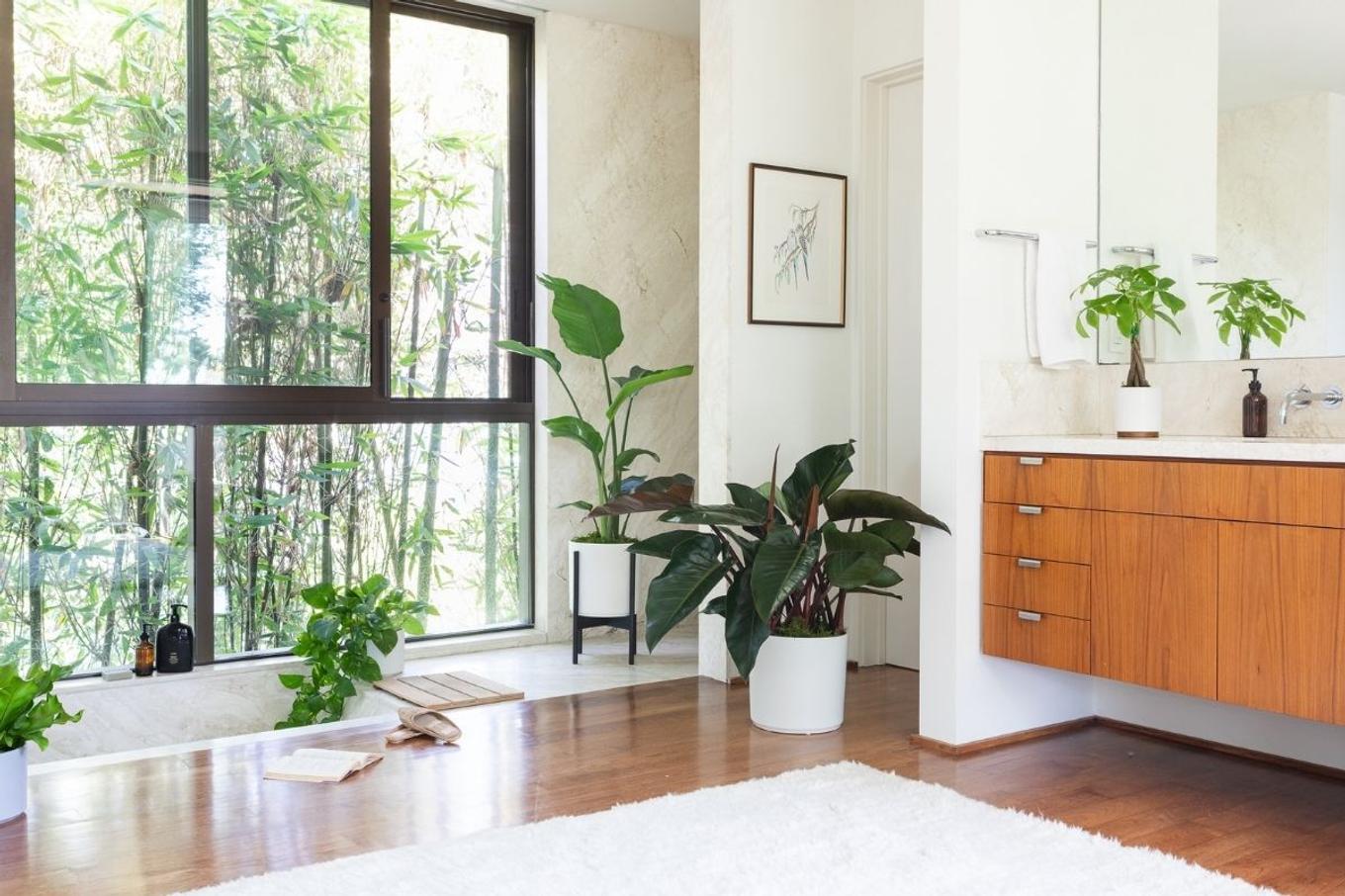
Looking for the perfect houseplant for your bathroom? The bathroom is one of the most overlooked spaces when it comes to home decor, yet it offers the perfect environment for many tropical plants to thrive. Warm, humid, and often filled with indirect light, your bathroom can become a lush, spa-like oasis with the right greenery.
Adding plants to your bathroom doesn’t just elevate the space aesthetically; it can also enhance your mood, improve air quality, and even help regulate humidity. Studies show that indoor plants can boost feelings of calm and relaxation, making them the ideal complement to a hot bath or morning shower routine.
When selecting plants for your bathroom, focus on species that love humidity and can tolerate lower light conditions. Read on for our plant stylists’ top picks for the best plants for your bathroom!
1. Bird of Paradise
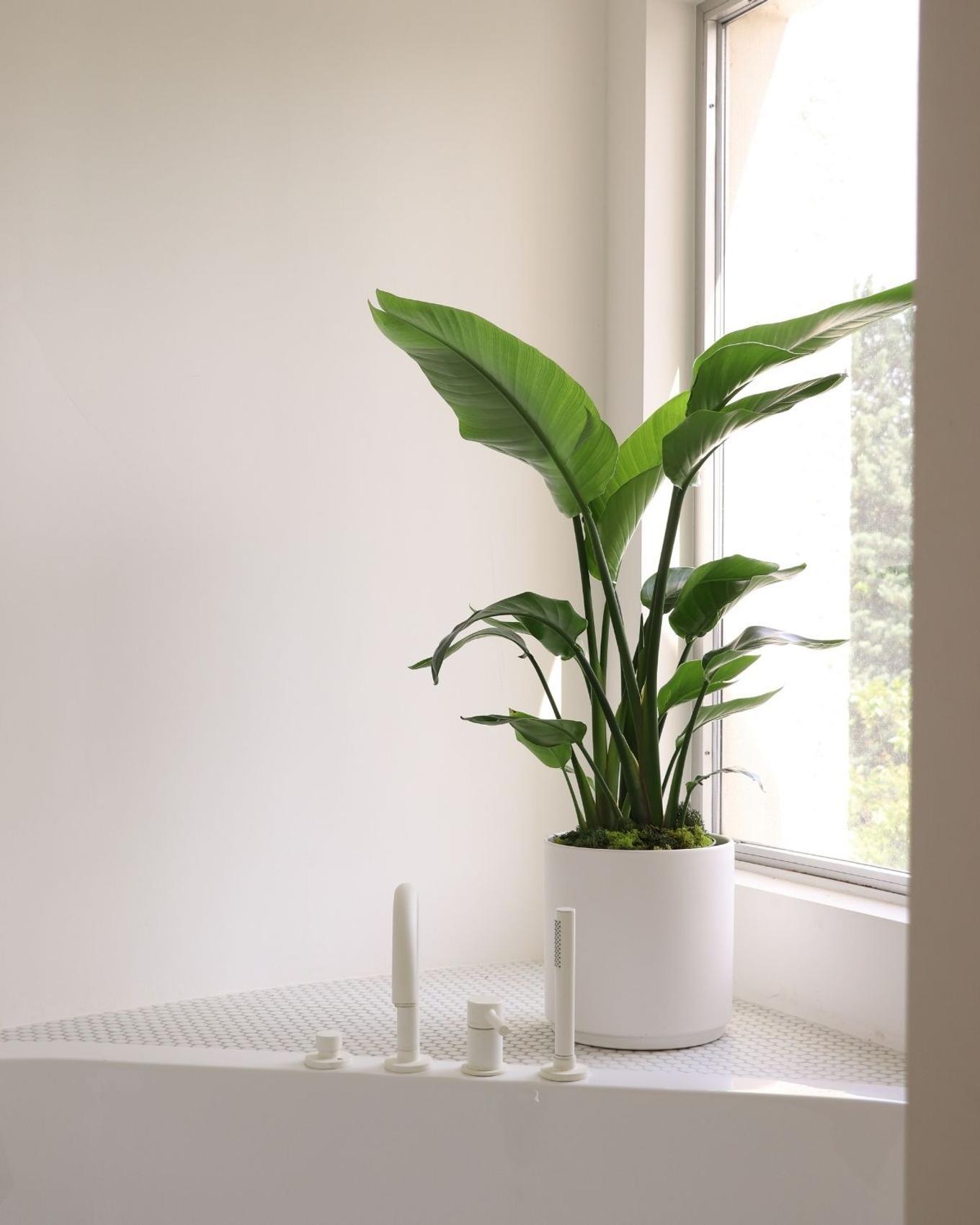
Botanical name: Strelitzia nicolai
Care: Prefers bright, indirect light. Keep soil lightly moist during growing season and allow the top layer to dry before watering again.
If your bathroom gets plenty of natural light, the Bird of Paradise is a stunning choice. With its large, tropical leaves and dramatic height, it instantly transforms any bathroom into a resort-worthy retreat. Bonus: the humidity from showers helps keep its lush leaves vibrant and glossy.
2. Parlor Palm
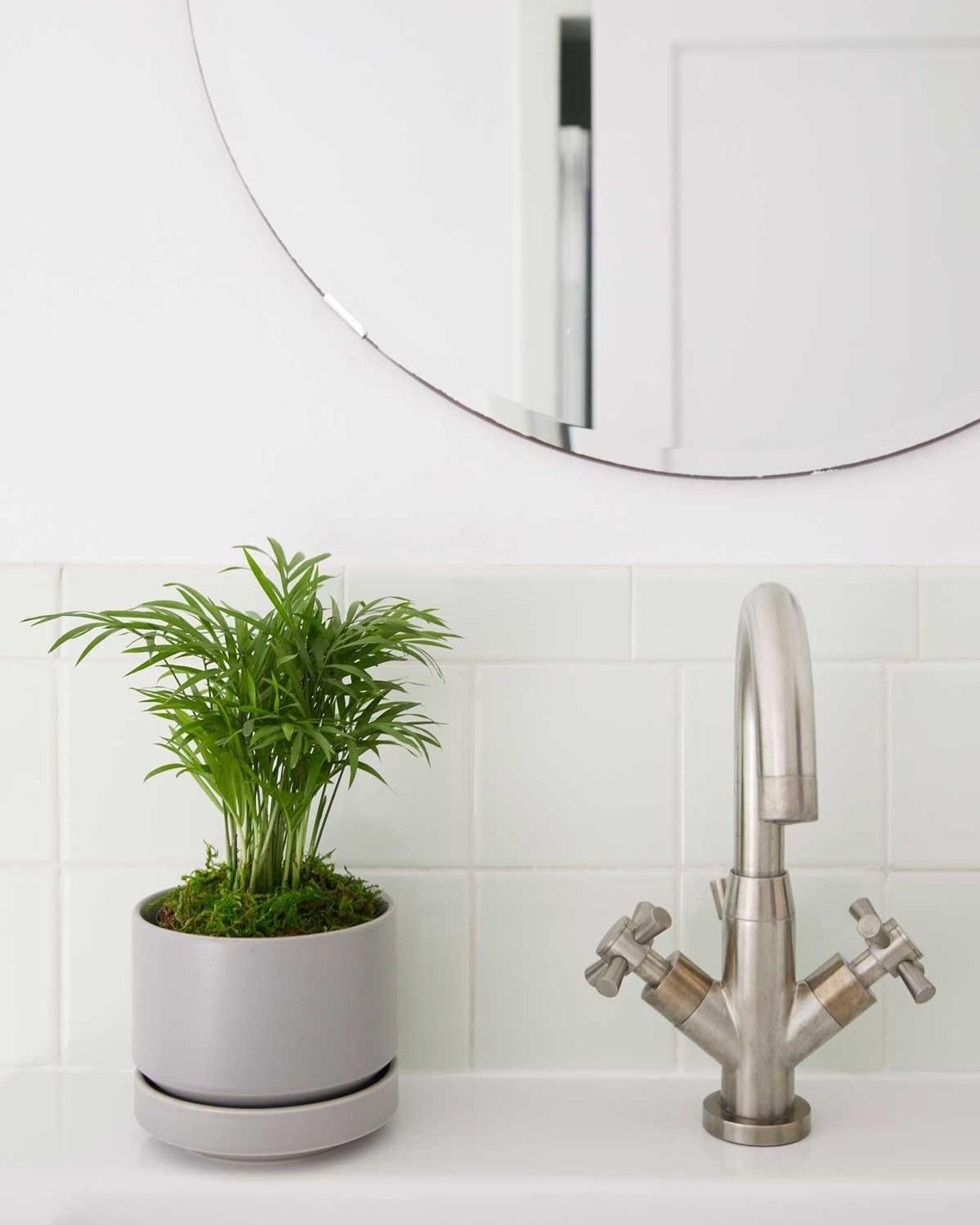
Botanical name: Chamaedorea elegans
Care: Prefers low to medium indirect light. Water when the top inch of soil feels dry.
A classic favorite for good reason, the Parlor Palm is a low-maintenance tropical that thrives in humidity. Its feathery fronds bring a timeless, serene feel to any bathroom, and it’s also one of the best air-purifying plants around.
3. Kentia Palm
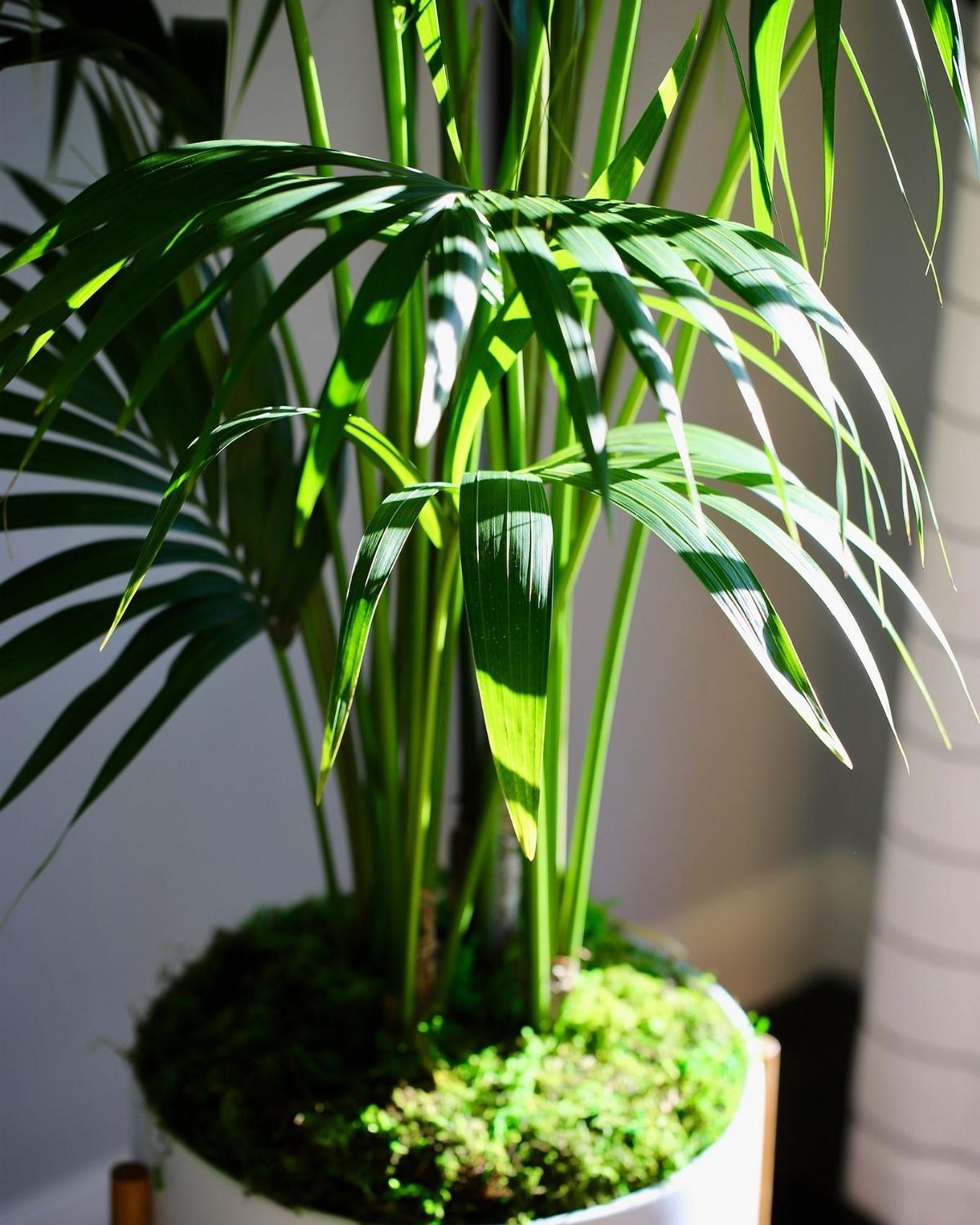
Botanical name: Howea forsteriana
Care: Tolerates low light. Water every 1–2 weeks, allowing soil to dry slightly between waterings.
Elegant and eye-catching, the Kentia Palm adds an instant touch of sophistication. It tolerates lower light and fluctuating humidity, making it a resilient choice for bathrooms of all kinds, from spacious master ensuites to smaller powder rooms.
4. Maidenhair Fern
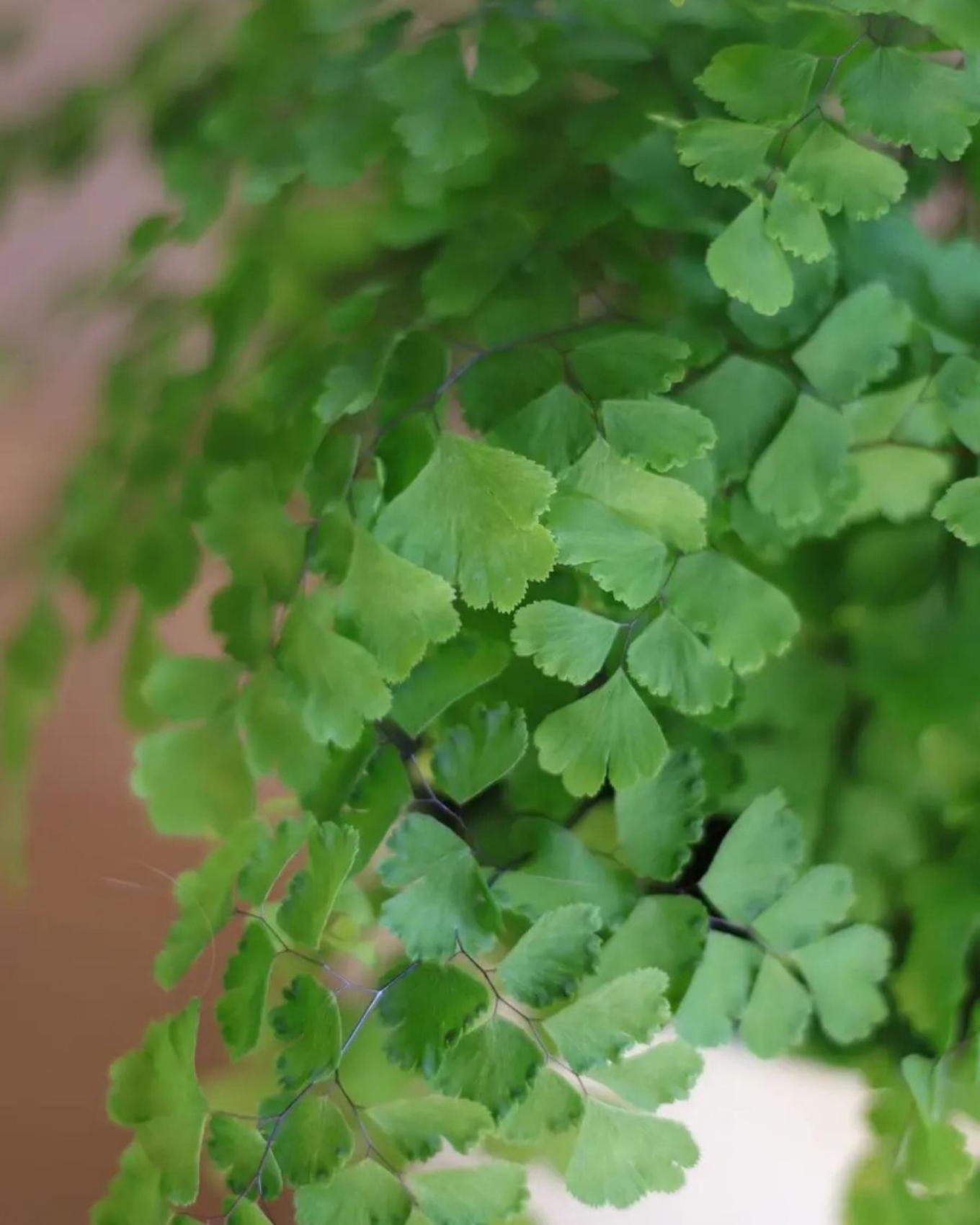
Botanical name: Botanical name: Adiantum raddianum
Care: Loves bright, indirect light and consistent moisture. Never allow soil to dry out completely.
Delicate and graceful, the Maidenhair Fern is one of the most beautiful plants you can grow indoors — and one of the happiest in a bathroom setting. The constant humidity keeps its fine, lacy fronds looking fresh and lush.
5. Boston Fern
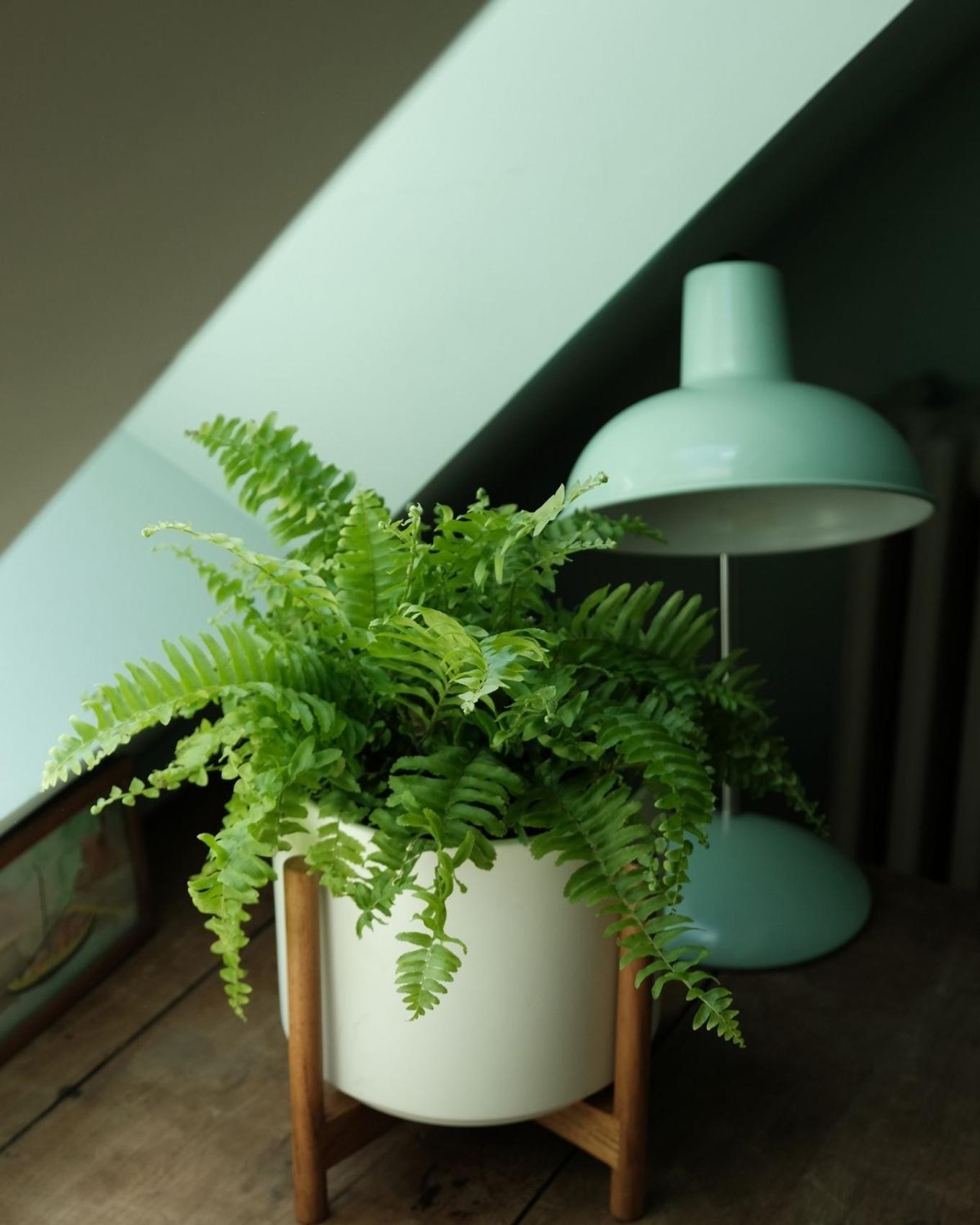
Botanical name: Nephrolepis exaltata
Care: Prefers bright, indirect light but can adapt to medium light. Keep soil evenly moist and mist frequently.
A true humidity lover, the Boston Fern is practically made for bathrooms. Its full, arching fronds create a soft, natural look that complements both classic and modern spaces. Try hanging it from a ceiling hook or placing it on a shelf to let its foliage cascade.
6. Cast Iron Plant
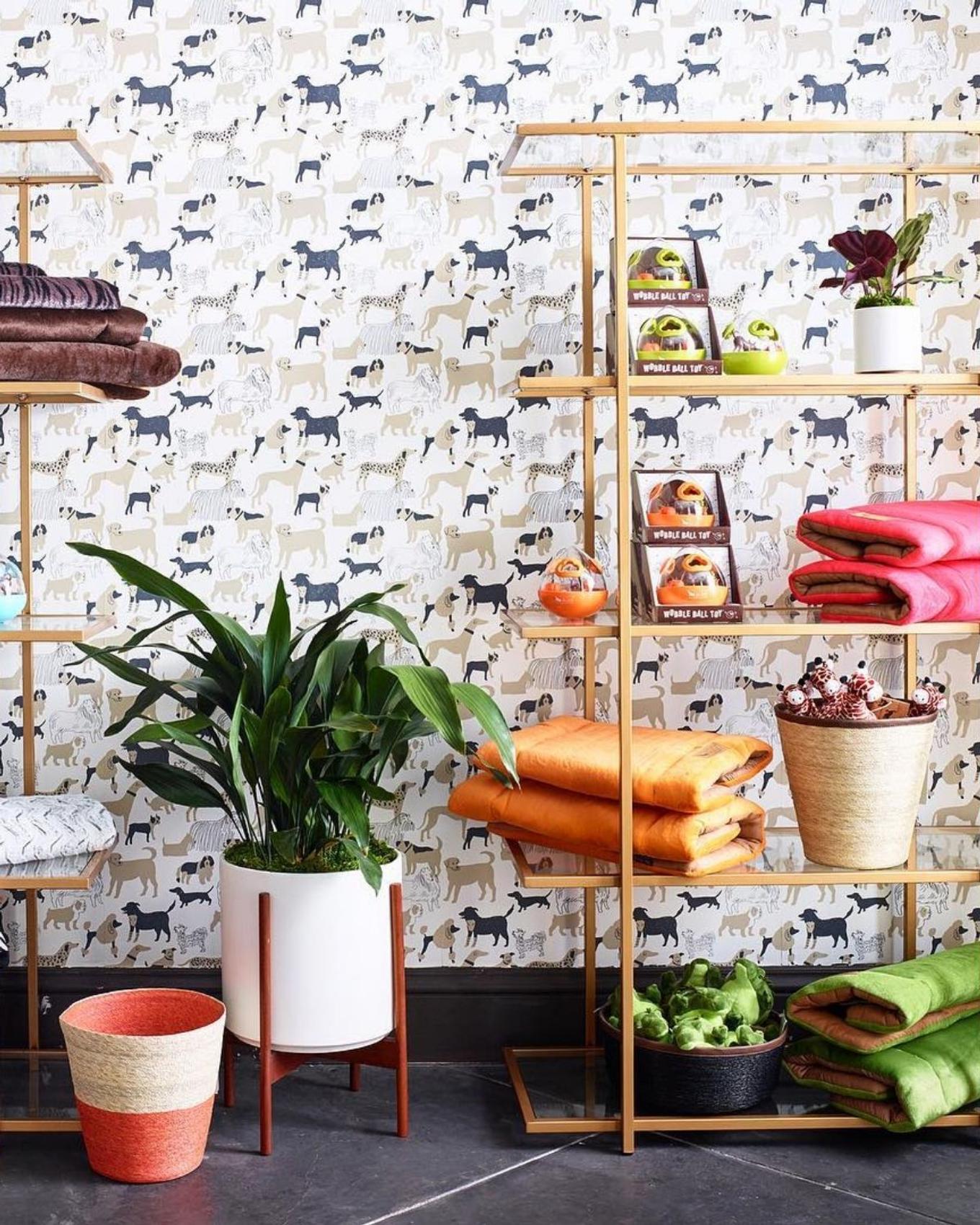
Botanical name: Aspidistra elatior
Care: Extremely low-maintenance. Tolerates low light and infrequent watering.
For bathrooms with little to no natural light, the Cast Iron Plant is your go-to. True to its name, it’s nearly indestructible and thrives even in the most challenging indoor conditions. Its deep green leaves add rich color and texture with minimal effort.
7. Braided Money Tree
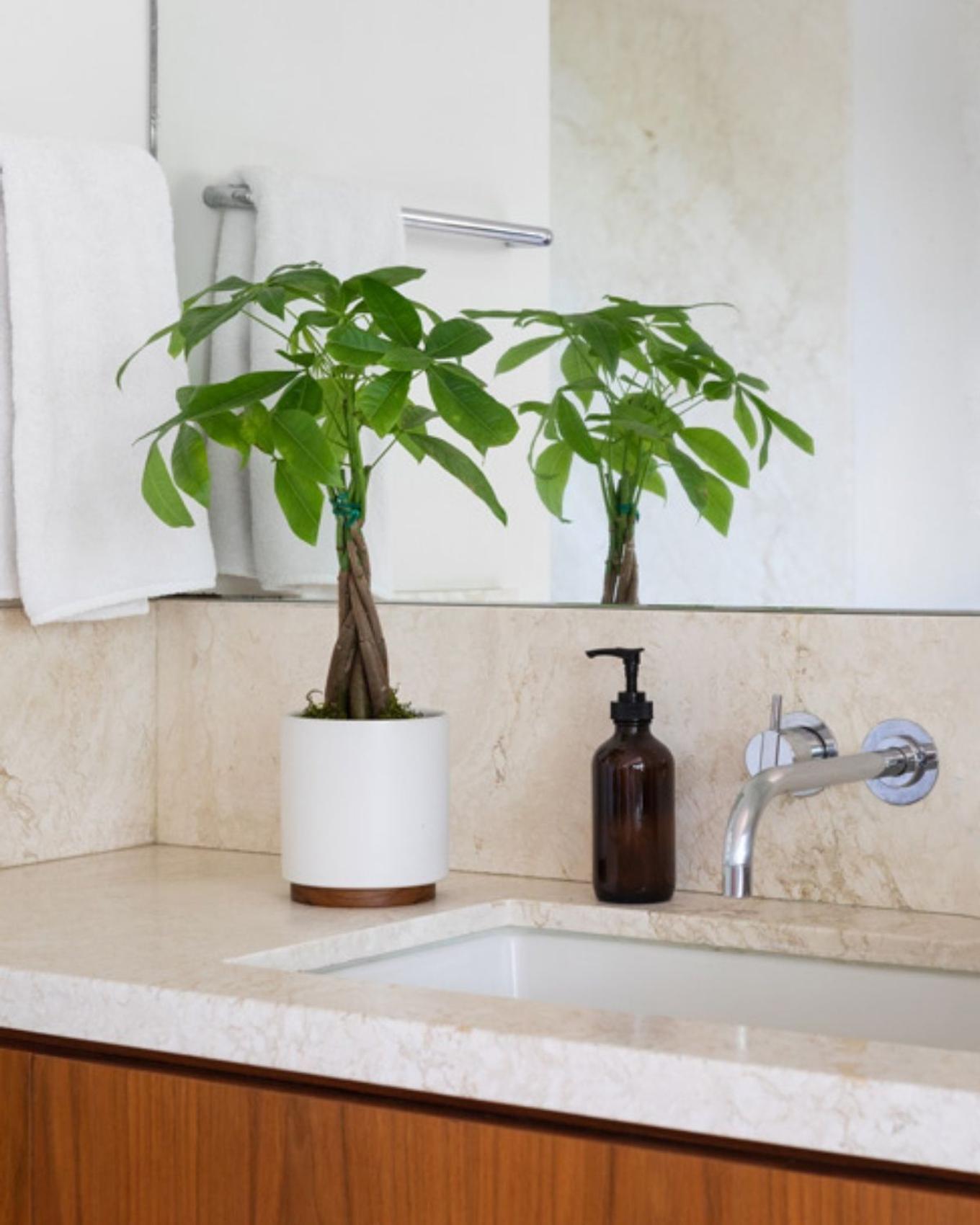
Botanical name: Pachira aquatica
Care: Prefers bright, indirect light. Water thoroughly when top inch of soil is dry.
Symbolizing good fortune and prosperity, the Braided Money Tree is a beautiful addition to your bathroom décor. The extra humidity helps prevent its leaves from browning, and its sculptural trunk brings a touch of artistry to the space.
Turn Your Bathroom Into a Lush Escape
Your bathroom is more than just a functional space: it can be a place to unwind, recharge, and reconnect. By introducing humidity-loving plants, you can turn it into a tranquil retreat that nourishes your body and mind. Whether you prefer the bold, tropical feel of a Bird of Paradise or the graceful charm of a Maidenhair Fern, there’s a perfect bathroom plant for every style and light condition.
What to Avoid in a Bathroom Plant
Not every houseplant thrives in a steamy, low-light bathroom. A few quick rules from Renée, our plant expert, that will save you from heartbreak (and replacement plants):
- Skip true desert succulents and most cacti. They evolved for arid air, and the constant humidity of a bathroom will rot their roots within weeks.
- Don't place plants inside the shower stall. Direct hot water, soap, and shampoo residue damage leaves and clog the soil. Keep plants near, not in, the spray zone.
- Avoid heating vents and AC registers. They create dry, drafty pockets that undo the humidity benefit and stress tropical foliage.
- Beware of low-light delicate species. Calatheas, fiddle leaf figs, and many variegated plants need more stable light than most bathrooms provide.
- Check pet toxicity before you buy. Bird of Paradise and Money Tree are mildly toxic if chewed; Parlor Palm, Boston Fern, Maidenhair Fern, and Cast Iron Plant are generally considered pet-safe by the ASPCA.
- Watch for overwatering, not underwatering. The biggest killer of bathroom plants is soggy soil. Always make sure your planter has drainage, and let the top inch dry between waterings.
When in doubt, match the plant to the light and humidity you actually have, not the bathroom you wish you had.
About the author
This article was written by Renée, plant expert at Léon & George. With years of hands-on experience helping customers pair premium plants with timeless planters, Rene specializes in matching greenery to real-world home conditions including the often-overlooked microclimates of bathrooms. Her recommendations are based on direct observation across thousands of customer homes and ongoing collaboration with Léon & George's horticultural team.
Sources & further reading: Recommendations on humidity tolerance, light needs, and watering frequency draw on guidance from the Royal Horticultural Society (RHS), the University of Vermont Extension's indoor plant care resources, and NASA's Clean Air Study on common houseplants. The "studies show" reference to mood and air-quality benefits of indoor plants draws on Lee et al. (2015), Journal of Physiological Anthropology, and the NASA Clean Air Study (Wolverton, 1989).