


Key Differences Between The Olive Tree & The Black Olive Tree

Olive Trees and Black Olive Trees, also known as Bucida Buceras or Shady Lady, are both popular choices for landscaping, gardening and potted houseplants. However, these two trees are not related beyond the similarity in name and look, and have some key differences that set them apart.
Olive trees, also known as Olea europaea, are native to the Mediterranean region and have been cultivated for thousands of years. They are known for their small, gray-green leaves and gnarled trunks, and can be cared for when placed in bright, direct light. Olive Trees can grow to be quite large, reaching up to 40 feet in height and width. They are also evergreen, meaning they keep their leaves year-round.
One of the most notable characteristics of Olive Trees is their ability to produce olives, unsurprisingly a staple in Mediterranean cuisine and are used to make olive oil, which is widely used for cooking and in cosmetics. Olive trees are also drought-tolerant, making them a great choice for dry climates. They prefer well-drained soil and full sun, and can be grown in a variety of soils including clay, loam, and sandy soil.

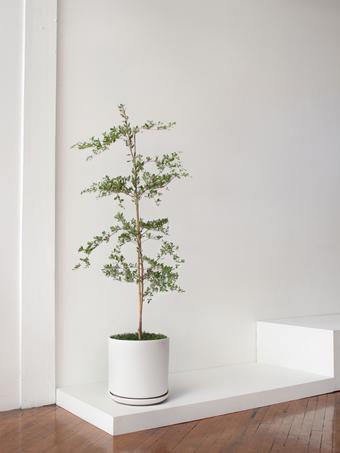
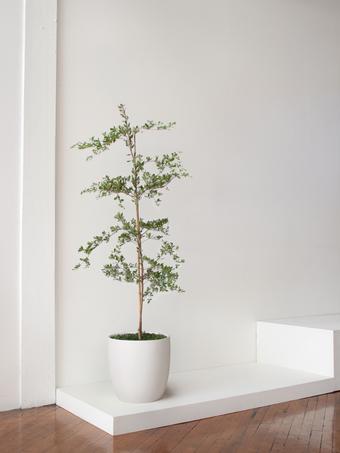
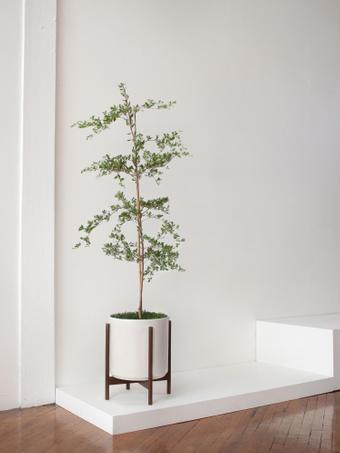
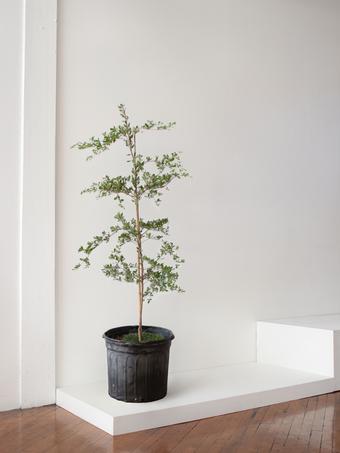
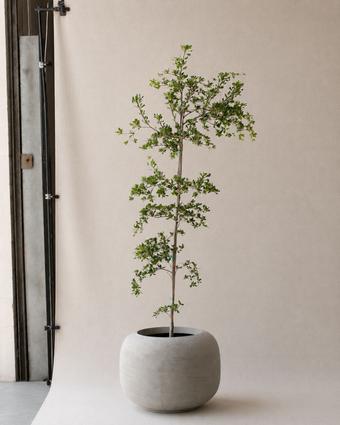
So how is a Black Olive Tree (Shady Lady) different? Shady Lady Trees or Black Olive Trees are much smaller and more compact than Olive Trees. They are also evergreen, but their leaves are slightly more rounded than those of Olive Trees and have a glossy, dark green color. They are slow-growing, which makes them a great choice for small gardens or as a patio tree.
One of the key differences between Black Olive Trees and “regular” Olive Trees is their preferred growing conditions. While Olive Trees prefer full sun, Black Olive Trees are more tolerant of shade. In fact, they are often used as an indoor alternative to Olive Trees.
Another difference between these two trees is the fruit they produce. While Olive Trees produce olives, Black Olive Trees produce small, inedible black berries, and are used only for ornamental purposes.
Both trees are beautiful and versatile options but we generally recommend Olive Trees for outdoor settings and Black Olive Trees for indoors.
Shop All Olive Trees
Shop All Black Olive Trees
Sources
This article was written by the expert plant stylists at Léon & George, a team dedicated to curating greenery that enhances everyday spaces. With years of experience in pairing premium plants with timeless planters, our stylists specialize in creating living pieces that bring beauty, meaning, and joy to any environment.