


The Best Fertilizer for a Ficus Benjamina

- Best Fertilizer for a Ficus Benjamina (Weeping Fig)
- Do Ficus Benjamina Plants Need Fertilizer?
- What Is the Best Fertilizer for a Ficus Benjamina?
- How Often Should You Fertilize a Ficus Benjamina?
- What Does a Healthy Ficus Benjamina Look Like?
- Signs Your Ficus Benjamina May Benefit from Fertilizer
- Can Too Much Fertilizer Harm a Ficus Benjamina?
- My Ficus Benjamina Is Dropping Leaves. Does It Need Fertilizer?
- What Do the Numbers on Fertilizer Mean?
- FAQs on Fertilizing Your Ficus Benjamina
- Sources
Best Fertilizer for a Ficus Benjamina (Weeping Fig)
If your Ficus Benjamina (also known as a Weeping Fig) is receiving bright light and regular watering, adding fertilizer during the growing season can help encourage fuller growth, healthy green leaves, and a stronger overall plant.
The good news? You don't need anything complicated.
The best fertilizer for a Ficus Benjamina is a general-purpose liquid fertilizer made for indoor plants--we love Boost Vitaminé for example. Feed your plant every 2–4 weeks during spring and summer, then pause during the cooler months when growth naturally slows.
Quick Answer
- Best fertilizer: A general-purpose liquid houseplant fertilizer
- When to fertilize: Every 2–4 weeks during spring and summer
- When to slow down or stop: Fall and winter
- Most important tip: Avoid over-fertilizing
Do Ficus Benjamina Plants Need Fertilizer?
A Ficus Benjamina can survive without regular fertilizer, but occasional feeding helps replenish nutrients that are gradually used up in the soil.
Think of fertilizer as a supplement rather than a requirement. While proper light and watering are the foundation of a healthy plant, fertilizer can help support:
- Fuller foliage
- Rich green leaves
- Faster growth during the growing season
- Stronger branches
- Overall plant vigor
If your Ficus Benjamina is healthy and growing steadily, you're already doing most things right. Fertilizer simply helps give it an extra boost.
What Is the Best Fertilizer for a Ficus Benjamina?
For most homes, a liquid fertilizer formulated for indoor plants is the easiest and most effective option.
You don't need a fertilizer specifically labeled for Ficus Benjamina. Most general-purpose houseplant fertilizers will work perfectly well when used according to the directions on the bottle.
When shopping for fertilizer, look for:
- A fertilizer designed for indoor plants or houseplants
- A balanced formula that supports overall growth
- Liquid or water-soluble options for easy application
If you prefer organic plant care, fertilizers made from fish emulsion, seaweed, kelp, or worm castings can also be excellent choices. This plant food for example is all-natural and made with just four ingredients.
How Often Should You Fertilize a Ficus Benjamina?
Ficus Benjamina grows most actively during spring and summer. This is when fertilizer is most beneficial.
Most indoor Ficus Benjamina plants naturally enter a slower growth period during winter and don't need additional nutrients during this time. While you can still fertilize if using a gentle fertilizer, do so sparingly.
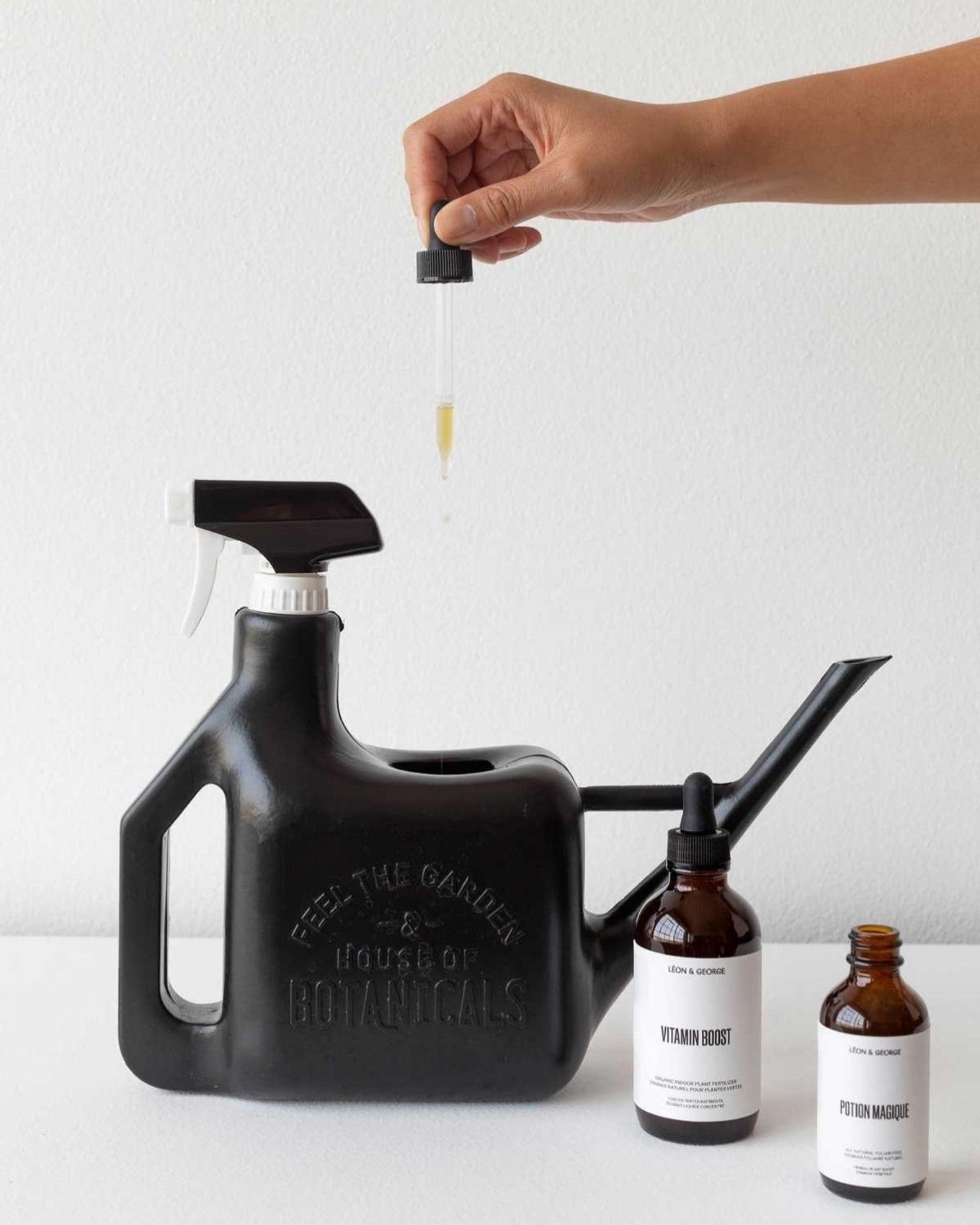
Discover L'Alchimie Botanique, our in-house formulated plant care products, including nutrient-rich foliage mist, natural insecticidal neem oil, and potent liquid plant food, designed to nurture a diverse range of indoor and outdoor plants,
What Does a Healthy Ficus Benjamina Look Like?
Many plant owners worry that their Ficus Benjamina needs fertilizer when the real issue is often light, watering, or environmental stress.
A healthy Ficus Benjamina typically has:
- Glossy green leaves
- Consistent new growth during spring and summer
- A full canopy
- Strong, upright branches
If your plant is already producing healthy new leaves, fertilizer is likely not a pressing concern.
Signs Your Ficus Benjamina May Benefit from Fertilizer
While fertilizer isn't a cure-all, it may help if you notice:
- Slower-than-usual growth
- Smaller new leaves
- Pale or less vibrant foliage
- Sparse growth during the growing season
Before increasing fertilizer, make sure your plant is receiving plenty of bright, indirect light. Insufficient light is often mistaken for a nutrient deficiency.
Can Too Much Fertilizer Harm a Ficus Benjamina?
Yes.
In fact, over-fertilizing is one of the most common fertilizer-related problems for indoor plants.
Signs of over-fertilization may include:
- Brown leaf edges
- Yellowing leaves
- White residue on the soil surface
- Sudden leaf drop
- Stressed or damaged roots
If you're unsure how much fertilizer to use, it's usually safer to use less rather than more.
When it comes to feeding indoor plants, consistency is more important than quantity.
My Ficus Benjamina Is Dropping Leaves. Does It Need Fertilizer?
Probably not.
Leaf drop is one of the most common concerns among Ficus Benjamina owners, but fertilizer is rarely the cause.
More often, leaf drop occurs because of:
- Changes in lighting conditions
- Overwatering
- Underwatering
- Drafts from windows or doors
- Sudden temperature changes
- Moving the plant to a new location
Before reaching for fertilizer, take a close look at your plant's environment and care routine.
What Do the Numbers on Fertilizer Mean?
You may notice numbers on fertilizer packaging, such as 10-10-10 or 20-20-20.
These numbers represent the primary nutrients plants use for growth. While they can be helpful when comparing products, there's no need to become an expert in fertilizer formulas.
For most indoor plant owners, choosing a quality houseplant fertilizer and following the instructions on the label is all that's required.
Premium quality plants, impeccable service
Exceptional indoor plants that are hand-selected, California-grown and curated for style and ease of care.
FAQs on Fertilizing Your Ficus Benjamina
What is the best fertilizer for a Ficus Benjamina or Weeping Fig?
A general-purpose liquid fertilizer designed for indoor plants is typically the best choice for a Ficus Benjamina.
Should I fertilize my Ficus Benjamina after repotting?
It's best to wait about 4–6 weeks after repotting before fertilizing. Fresh potting soil often contains nutrients, and newly disturbed roots benefit from time to settle in.
Can fertilizing stop leaf drop?
Usually not. Leaf drop is more commonly caused by changes in light, watering habits, temperature, or environmental conditions.
How often should I fertilize my Ficus Benjamina?
Fertilize every 2–4 weeks during spring and summer, then reduce or stop fertilizing during fall and winter.
Sources
This article was written with insights from the certified Plant Doctors at Léon & George. Experts in botany and horticulture, our Plant Doctors are seasoned professionals with years of experience caring for plants, both in their work and at home as passionate hobbyists. Their guidance ensures that our plant care recommendations are rooted in scientific knowledge and practical expertise.
Léon & George customers enjoy free, 24/7 access to Plant Doctors through their account homepage. Not a customer but need expert advice? Book a video call or wellness visit today to keep your indoor greenery thriving.